
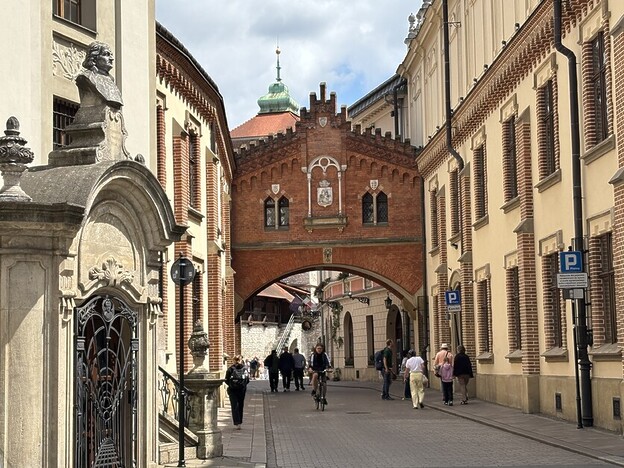
Anthea Gerrie Visits Krakow Museums, Whose Powerful Exhibits Could Only Live In Poland’s Most Popular Visitor Metropolis.
Awash in centuries of history, Krakow is as much a draw for culture vultures as the bon viveurs who come for good food, great beer and a plethora of nightlife. And although much of the city’s story has not been happy, learning about what has taken place makes for a series of absorbing visits before hitting the many bars, restaurants and clubs which have made the city Poland’s most popular with foreign visitors, according to Lonely Planet..
Krakow’s museums are scattered over many different neighbourhoods, but first-timers are bound to start with Wawel, the royal castle on the edge of the old town which towers over the skyline and is within walking distance of the excellent Hotel Stradom. Here, within an assortment of variously domed, turreted and gabled fairytale buildings perched high on a hill are all the state apartments, costumes and historic bling you might expect, including Poland’s own set of mediaeval crown jewels, but there’s also a national art collection, and the chef draw for many is the Dragon’s Den – a subterranean cave running 270 metres long beneath the castle.
Another highlight is the Sigismund Bell, housed in the cathedral which is one of the oldest parts of the entire hilltop complex encompassing a millennium of history.
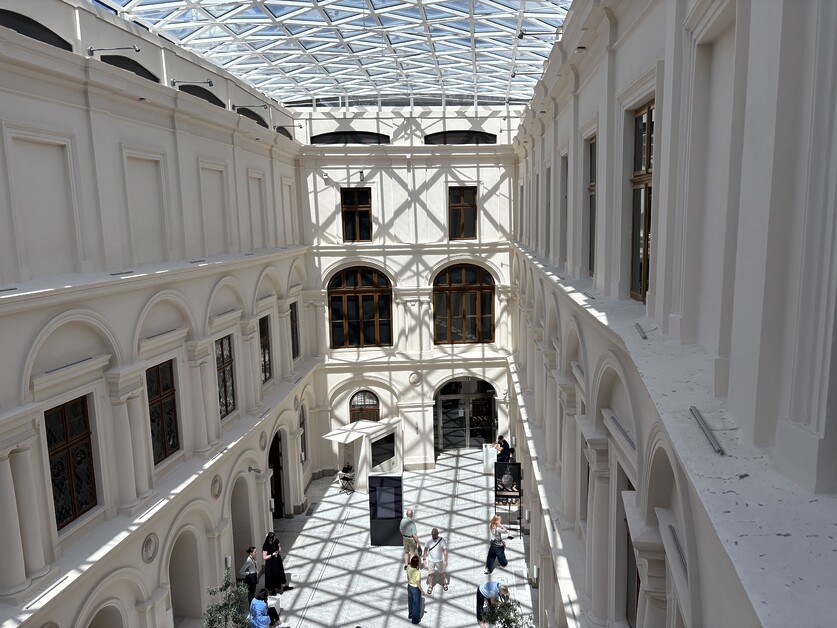
Even closer to the city centre is the beautiful Czartoryski Museum, named for the princely family which owned it. While its most famous exhibit is a Da Vinci, Lady with an Ermine, there are also impressive collections of everything from scary-looking swords, equine battle gear and other weapons of war to glass, china and other family heirlooms, as well as historic Polish and European art. The museum galleries are linked by a huge, bright atrium which is a lovely space in which to enjoy a coffee or lunch.
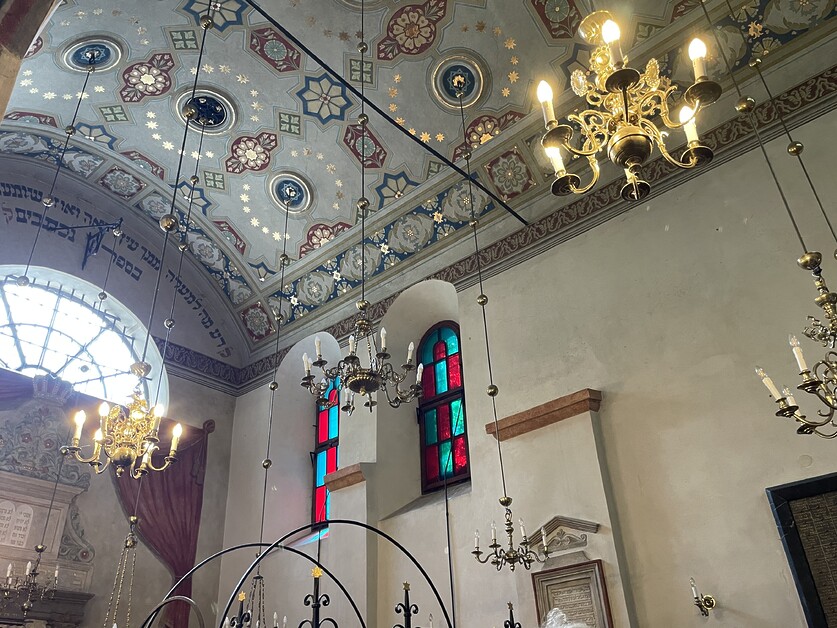
Take a tram one or two stops from Krakow’s huge Market Square, which shares a UNESCO World Heritage Site designation with Wawel Hill and Kazimierz and you’re in the latter neighbourhood, a former Jewish ghetto whose collection of exquisite ancient synagogues, all within a few minutes’ walk of each other, comprise an architectural history of Jewish prayer houses from the Middle Ages to the Renaissance in themselves.
They all, including the exquisite Remah Synagogue, which has stood in its present form since 1829 following an earlier iteration built in 1557, somehow survived World War Ii, unlike so many rural synagogues and Jewish villages which didn’t – and these lost places are documented nearby in Kazimierz inside one of Krakow’s most emotionally affecting culture houses, the Galicia Jewish Museum. Hundreds of powerful photographs the museum was established to house tell the story of generations wiped out during Nazi occupation, while in an extension the stories of 10 individual Poles who suffered very different wartime and post-war fates in different cities is vividly brought to life in illustrated information panels.
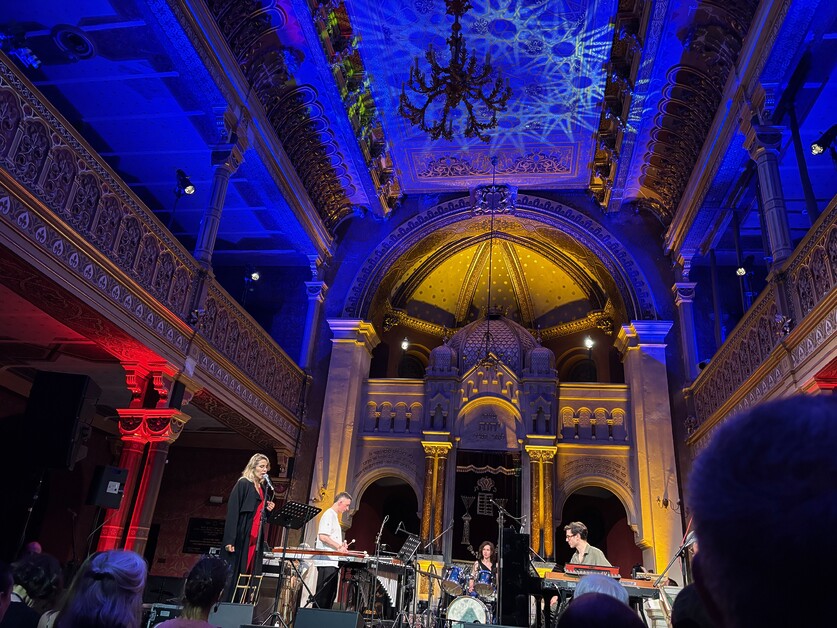
Prepare to weep before recovering in the Kazimierz of 2026 – a cool, cheerful and cosmopolitan district packed with vintage shops and some of the best places to eat in town – try the Bazaar Bistro, or its posher, Michelin-starred big brother next door, Noah. And come in late June/early July for world-class klezmer music played nightly at the city’s Jewish Festival.
The Nazis would have been happy to find Krakow’s large and thriving pre-war Jewish population still packed into a ghetto – all the easier to round up and dispatch – but to make getting rid of them more efficiently they had to create a new ghetto across the river to house an emancipated and scattered community which had established roots far beyond Kazimierz. The terrifying history of this new wartime ghetto through which trams ploughed which Jews were not even allowed to board is told in the former factory of Oskar Schindler, an enamelware plant emptied by a Gestapo bent on sending all its workers to nearby Auschwitz.
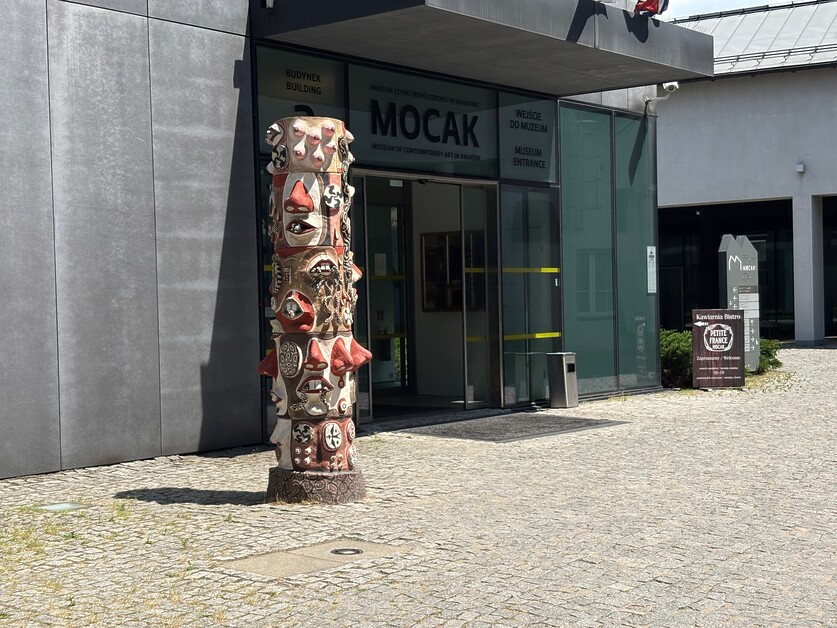
As Steven Spielberg famously told on celluloid, Schindler found a way to save 1,200 by putting their names on the eponymous list and shipping these luckiest of Nazi prisoners across the Czech border to pretend to make munitions. The Schindler Factory Museum is a harrowing place to visit, telling a terrible story vividly with eyewitness words and pictures in a deliberately claustrophobic and disorienting building. But relief is to be found opposite at MOCAK, Krakow’s excellent museum of contemporary art which does a great job of showcasing Polish artists whose work does not always get an international viewing.
These are just a handful of the treasure houses Krakow has to offer; the MNK, Krakow’s municipal museum organisation, also operates a museum of 20th century Polish art on May 3 Street and has many other intriguing exhibitions at buildings in outlying areas I wish I had had a chance to visit. But Krakow always draws you back with the promise of a stimulating feast for the eyes and brain as well as a tantalising few days for the tastebuds, and I look forward to my next visit.
Tell Me More About Visiting Krakow’s Museums
Krakow is served from London by British Airways, Ryanair and Wizz Air. More information can be found at Polska and Krakow.travel
If you enjoyed this review, why not check out these similar posts:
 Guide to Krakow. A city with a bigger story than just its wonderful massive mediaeval market square.
 The Radisson RED Hotel. Discover Krakow’s newest style property.
 Stradomska 12 Krakow – Modern Polish Food With A Michelin Seal Of Approval
 Stradom House Hotel & Spa. Enjoy luxury and a prime location in Krakow


